Animal Crime: How the Animal Industrial Complex Impacts Our Society
NOTE: This is an AI generated post. It took about an hour to learn to install and use the system, and how to guide the process, then about 5 minutes to create this post.
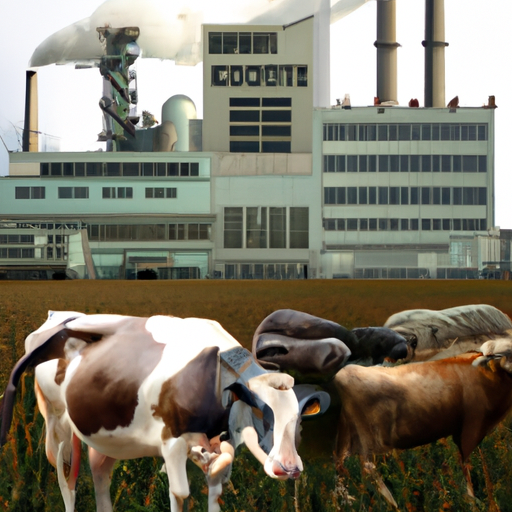
It’s no secret that animals are treated inhumanely in many cases, but the vast scope of animal exploitation in the form of the animal industrial complex may surprise you. From factory farming to animal testing, animal crime impacts our lives in many ways, from the environment we live in to the products we use. In this article, we’ll take a closer look at the prevalence and effects of animal crime, as well as how fostering respect and compassion towards animals can help mitigate these issues in the future.
Introduction
Animals are an essential component of society and play a critical role in our lives. Unfortunately, far too often they are taken advantage of and mistreated due to the rise of animal crime throughout the world. Animal crime is a growing problem with profound implications that range from environmental degradation to ethical concerns and economic costs. In order to truly understand the scope and implications of this issue, we must examine the concept of the animal industrial complex.
The animal industrial complex is an often overlooked yet powerful force in shaping the world we live in, encompassing factory farming, laboratories and other animal exploitation activities. This article aims to explore this concept further by examining its definition, environmental, ethical, and economic implications, and potential solutions to mitigate its effects. Additionally, it will offer insight into how fostering a respectful and compassionate relationship between humans and animals can help to reduce animal crime in the future.
Furthermore, we will take a closer look at the current status quo for animals in our society, such as their decreasing habitats due to human activities, increasing levels of cruelty towards them and various ways in which humans have benefited from exploiting them for their own gain. By exploring these topics in detail, we can create greater awareness about animal rights and ultimately strive towards creating a more just society for all members of our species—including animals.
Definition of Animal Industrial Complex
The animal industrial complex is a system of animal exploitation, primarily focused on the food production industry. Its practices encompass factory farming, where animals are kept in small, confined spaces and suffer from inhumane treatment. Not only do these farms subject the animals to physical distress, but they often have detrimental effects on the environment as well. Additionally, this system includes cruel animal testing conducted for consumer products or scientific research purposes; as well as the use of animals in recreational activities such as hunting and rodeos. All of these activities are driven by profit and promote an unethical relationship between humans and animals, devaluing their lives and disregarding their right to freedom and safety.
At the heart of this phenomenon is a mentality that prioritizes convenience and economic gain over ethical considerations. This attitude directly contributes to vast animal suffering and environmental destruction, with no regard for the long-term effects that it may cause. The perpetuation of this system is enabled by lax regulations which allow companies to mistreat animals without serious repercussions; often leading to poor working conditions for employees who are required to carry out these acts of cruelty. Furthermore, consumers are kept unaware or unconcerned about the source of their products, giving little thought to how the goods they purchase were produced.
In order for us to create a more compassionate world that values animal rights, it is essential to challenge the mentality behind the animal industrial complex. We must all strive to take responsibility for our own actions and educate ourselves on the consequences of engaging with this system. Only then will we be able to promote greater awareness and push for change that respects all living beings.
Environmental Implications of Animal Crime
The environmental implications of animal crime are far-reaching and devastating. Factory farming, which is the main form of animal agriculture today, relies on intensive feeding operations and high-density confinement systems that have a massive environmental impact. The nitrogen, phosphorus, and other pollutants produced by these farms can easily seep into local waterways, leading to water contamination and algal blooms that deplete oxygen levels in the water and harm wildlife populations. Additionally, the production of methane gas from these farms contributes significantly to air pollution and climate change.
The overuse of antibiotics in factory farming is another major issue that can lead to antibiotic resistance, meaning bacteria can become immune to antibiotics used to treat them and thus making it harder to fight off infections in humans. Furthermore, due to the nature of animal production, soil erosion and land degradation often occur which can lead to deforestation, destruction of natural habitats, and loss of biodiversity. In some cases, wild animals are even displaced or killed as a result of agricultural expansion or hunting.
Animal crime has extensive implications for the environment we live in. It affects not only the planet itself but all living creatures on it. As such, it is essential for us to take action if we want to improve our environment and save endangered species from extinction. The most effective way to do this is by embracing a more respectful and compassionate relationship between animals and humans so we can better understand the impact our actions have on them.
Ethical Implications of Animal Crime
Animal crime raises a number of ethical questions about healthcare, welfare, and the use of animals for food and entertainment. Factory farming is one of the most notorious aspects of animal crime that raises ethical dilemmas. This method of producing food involves mass producing animals in overcrowded and unsanitary conditions in order to maximize profits, often to the detriment of the animals’ welfare. Factory farmed animals are confined to cages, suffer from lack of exercise, and are subjected to painful procedures such as de-beaking and tail-docking which entirely go against the concept of animal rights and welfare for profit.
Furthermore, unregulated animal testing is another unethical practice which often goes unnoticed and unpunished. Animals may be subjected to experiments involving physical or psychological torture with no legal consequence or oversight from any authority or organization. This type of testing has resulted in widespread harm to countless non-human subjects who are unable to speak up or fight against their mistreatment due to their lack of autonomy in our society. Additionally, without strict regulations on animal testing, there is an increased risk for researchers to abuse their subjects without any laws being enforced to protect them.
Animal crime can also lead to animal cruelty, abuse, and exploitation which goes against moral values and principles. Cases such as those involving dog fighting, bullfighting, horse racing, zoo abuses are all examples where individuals have placed their own monetary gain ahead of providing basic care and respect for living creatures that deserve a life free from suffering or exploitation. These activities have been deemed immoral by many people because they violate the fundamental rights that all sentient beings should enjoy which includes the right to life, liberty, freedom from fear or pain, and being treated with respect regardless of species.
The ethical implications associated with animal crime demonstrate why it is important to raise awareness on this issue in order to bring an end to these inhumane practices as soon as possible. Educating young people about the importance of treating animals ethically and with respect must also be a priority if we want to create a more compassionate future for both humans and non-humans alike. Additionally, public awareness campaigns about issues like factory farming should be established in order to expose the dark side of animal exploitation activities that are still taking place today. Lastly, society must start embracing a more respectful relationship between humans and animals in order for us to alleviate the issues caused by animal crime in our society.
Economic Implications of Animal Crime
The animal industrial complex has major economic implications that have not been adequately addressed to date. This complex is responsible for a large portion of global economic growth, but this growth is achieved at a significant cost to the environment, human health, and animal welfare. The exploitation of animals in agriculture, pharmaceuticals, and entertainment has led to unsustainable practices that are damaging our planet and society as a whole. The cost of animal products has risen exponentially due to the intensive farming practices used in factory farms, where animals are kept in cramped and unsanitary conditions with little or no access to natural elements such as sunlight or fresh air. Animal-related businesses are raking in billions of dollars in profit while facing little to no consequences for their actions. Moreover, there are hidden costs associated with mass animal production and slaughter that often go unaccounted for in the economic calculus of profit margins. These include costs related to air and water pollution, habitat destruction, antibiotic resistance, climate change, human health concerns, animal suffering, and more.
In order to mitigate the economical detriments caused by the animal industrial complex, it is essential that we move towards a more sustainable and ethical model of animal husbandry that respects the needs of both humans and animals alike. We must recognize the importance of fostering a respectful and compassionate relationship between humans and animals so that we can begin to mitigate these issues. This means investing in humane farming systems that prioritize quality-of-life standards for all involved participants – both human and non-human – while also promoting efficient production methods that diminish environmental degradation as much as possible. Additionally, it involves increasing transparency within businesses by requiring them to accurately report their profits and losses on an annual basis so that they can be held accountable for their actions when necessary. Furthermore, it necessitates a shift away from consumerism which encourages the overconsumption of animal products without considering the consequences they may have on our environment, human health, or animal welfare.
Ultimately, we need to understand that working towards solutions that benefit both humans and animals is not only an ethical decision but also an economically sound one. By shifting towards humane practices in terms of productivity and consumption, we can ensure that our planet remains healthy while also providing ethical care for our non-human counterparts. The economic implications of animal crime are serious, but if we work together to foster a respectful and compassionate relationship between humans and animals then we can begin to mitigate these issues now and in the future.
Potential Solutions to Mitigate the Effects of Animal Crime
In order to mitigate the various environmental, ethical, and economic implications of animal crime, it is essential that society adopts a variety of potential solutions. One such solution involves the implementation of humane education in schools. By teaching students about the needs and rights of animals through educational programs, we can help to foster an atmosphere of empathy and respect for animals from a young age.
Another potential solution involves engaging in community service projects that involve animal welfare. These projects can help raise public awareness about the importance of animal rights and encourage people to become active advocates for animals. Additionally, increasing regulations on corporations and businesses that engage in animal exploitation activities can offer protection to animals from mistreatment. This means setting stricter standards concerning animal welfare and enacting harsher penalties for companies that violate these standards.
Supporting legislation that protects animal rights is another essential step toward mitigating the effects of animal crime. By doing so, we can create long-term change by making sure laws protecting animals are properly enforced. Furthermore, encouraging public boycotts of companies that take part in animal exploitation activities can push them to rethink their practices or risk going out of business entirely. Allowing animal rights activists and organizations to have a voice in policy-making processes and decisions will also create positive change as they can provide insight into what kind of legislation would be most effective in protecting animals’ welfare while minimizing any economic burden it may place on the industry.
In conclusion, it is clear that comprehensive solutions must be adopted if we are to address the many implications of animal crime within our society today. Through initiatives such as humane education, community service projects, increased regulations on corporations, supporting legislation that protects animal rights, encouraging public boycotts of companies engaging in animal exploitation activities, and allowing animal rights activists and organizations to have a voice in policy-making processes and decisions, we can ensure that animals receive the respect and compassion they deserve while also preserving our environment for future generations.
Embracing a Respectful and Compassionate Relationship Between Animals and Humans
The relationship between humans and animals is an incredibly important one. In order to foster a healthier future, we must recognize that animals have just as much right to exist in our world as we do. It is essential that we view them as individual beings with their own needs and rights, rather than simply beings to be exploited. Mutual respect between both parties is paramount in creating positive change.
A more holistic approach to animal welfare must be embraced in order for true progress to be made. Compassion should be extended to all animals, whether they be kept as pets or farmed for food. We must acknowledge their worth and value, and make sure that our actions towards them reflect this knowledge. This means providing ample space for them to move around, enough food and water, and proper medical care. Additionally, education and awareness campaigns need to be implemented in order for people to become better informed about the importance of respecting animals.
Ultimately, by fostering a respectful and compassionate relationship between animals and humans, we can create a better world for everyone. If we strive to understand the needs of animals and the negative impacts animal exploitation has on our society, we will be able to reduce the amount of animal crime taking place on a daily basis. Respect and compassion are crucial in achieving this goal; if both are embraced by all members of society, we can ensure that future generations will have a safe and prosperous relationship with animals.
Conclusion
Animal crime is a global issue that has a significant and detrimental impact on our society. The animal industrial complex is one of the most pressing issues of our time and must be addressed with urgency. We must take immediate action to mitigate the environmental, ethical, and economic implications of animal crime. Furthermore, we need to foster a respectful and compassionate relationship between humans and animals in order to ensure a brighter future for both species.
Therefore, we must begin to implement policies and regulations that hold exploitive industries accountable for their actions. This could include establishing animal welfare standards or creating incentives for businesses to invest in sustainable farming practices. Additionally, we must strive to promote education about the social and environmental impacts of animal exploitation activities in order to raise awareness about this issue.
Overall, the animal industrial complex is an urgent problem that must not be overlooked. By taking action to mitigate its effects and striving for a more equitable relationship between humans and animals, we can move closer towards a world where all living creatures are respected and valued.
The animal industrial complex is a complex and multifaceted issue with far-reaching implications for our society. The environmental, ethical, and economic implications of animal crime demonstrate the urgent need for action. Fortunately, there are potential solutions to mitigate the effects of animal crime. Most importantly, we must strive to foster a respectful and compassionate relationship between humans and animals for a more peaceful, equitable, and sustainable future.

Recent Comments